
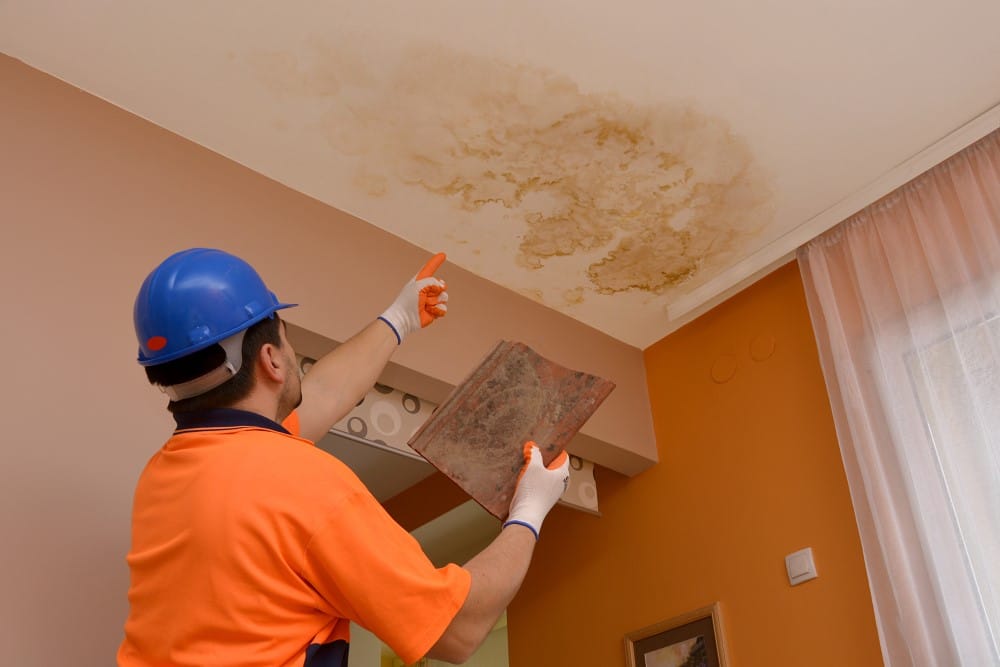
Repairing water damage can be a complex and expensive undertaking, and, especially in a strata setting, the extent of the damage can be difficult to fully realise. Strata properties contain a complex network of pipes, wiring, and ventilation systems hidden in wall cavities, roof areas, or beneath the flooring. Therefore, finding the root cause is imperative in determining who is responsible for undertaking and managing repairs.
Defining boundaries
First and foremost, in order to understand your responsibilities when it comes to repairing water damage, you need to know what constitutes common property and what is an individual lot.
The distinction between the two is best defined by your strata plan, however, as a general rule, an individual lot is deemed to be the air space and anything located within the interior of a unit. This can include internal walls, plumbing, and fixtures.
Outside of this area is considered common property, which, by and large, relates to anything structural such as boundary walls, windows and plumbing. This can also refer to pathways, foyer areas, lifts, staircases, car parks, and gardens, to name just a few.
Finding the source
Once you understand where your responsibilities lie, you need to identify where the problem originated. The Owners Corporation is obligated to respond to any reports of damage immediately and should engage the services of a licenced professional to investigate the issue.
With their expertise, a qualified tradesman will be able to perform a forensic inspection and trace the water damage back to its origins. This will pinpoint the cause of the problem, whether the fault is located on common property or an individual lot, and ultimately determine if the responsibility of repair falls with the Owners Corporation or lot owner.
Some common sources of water damage can include:
- drains, pipes, guttering and downpipes
- drainage and sewage systems
- swimming pools and spas
- water mains
- fire hydrants
- fixed heating and cooling systems
- appliances such as refrigerators, dishwashers, and washing machines
- fixtures such as baths, showers, toilets, and sinks.
Who is responsible for what?
As you can see, it can be somewhat confusing knowing exactly what repairs you are responsible for in your strata property. Overall, legislation states that the infrastructure supplying utility services to the strata scheme is considered common property. Therefore, items such as pipes, sewers, drains, cables, and wires that service the entire building are the responsibility of the Owners Corporation. However, infrastructure that supplies a single unit (and does not share a boundary with another unit or common area) is up to the lot owner to repair.
Whilst individual circumstances may be different, this is a useful guide:
Water Damage Source
Responsible Party
Leaking boundary cold-water pipe (in a wall between units)
Owners Corporation
Leaking internal cold-water pipe (utility only services that individual unit)
Lot owner
Burst pipe in boundary walls
Owners Corporation
Burst pipe within internal walls
Lot owner
Mould or mildew caused by leaking boundary pipe or common area pipe that damages shared walls and adjoining units
Owners Corporation
Mould or mildew caused by leaking internal pipe
Lot owner
Experience better service with More Than Strata
Dealing with water damage in your strata scheme can be difficult. Without a strong understanding of your rights and responsibilities, repair issues can escalate very quickly. Thankfully, More Than Strata is here to help! We provide a dedicated strata management service that keeps you informed and supports you through the repair process without stress.
For more information about strata ownership and your responsibilities, contact the expert strata managers at More Than Strata today.